
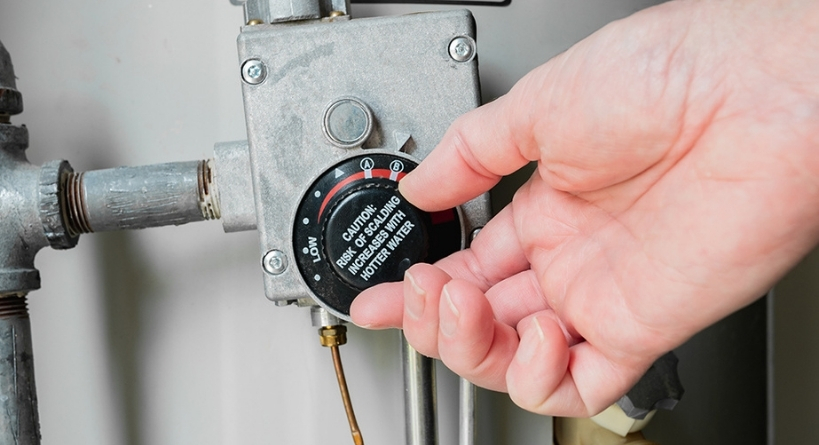
Water heating is one of the largest energy expenses in a home. Many homeowners unknowingly set their water heaters too high, wasting energy and increasing utility bills. Others set it too low, risking bacteria growth or discomfort during daily use. The key question is: what is the best temperature setting for a water heater to save energy while keeping your household safe and comfortable? At Best Choice Plumber, we guide homeowners through this decision, explaining the optimal balance between energy efficiency, comfort, and safety.
Why Temperature Matters?
The temperature setting of your water heater directly affects energy consumption and safety. Water that is too hot wastes energy, while water that is too cool may not be effective for bathing, cleaning, or dishwashing. A properly set water heater can significantly reduce energy costs while ensuring comfort.
Energy experts recommend settings that minimize unnecessary heating. This not only saves money but also prolongs the life of the water heater. For households looking to reduce their environmental footprint and monthly expenses, adjusting the water heater to the correct temperature is a simple yet impactful step.
Recommended Temperature Setting
The generally accepted ideal temperature for a water heater is 120 degrees Fahrenheit (49 degrees Celsius). This temperature provides sufficient hot water for most household needs and reduces the risk of scalding.
Setting the water heater to 120 degrees Fahrenheit also offers several benefits:
- Energy savings: Lower temperatures reduce electricity or gas consumption by up to 10 percent or more annually.
- Safety: 120 degrees is hot enough for bathing but reduces the risk of accidental burns.
- Longevity: Lower temperatures minimize stress on the water heater, extending its life.
Homes with large families or higher hot water demands may set the temperature slightly higher, around 130 degrees Fahrenheit, but careful consideration of safety and efficiency is crucial.
Factors That Influence Optimal Temperature
Household Size
A single-person household requires less hot water than a family of four or more. Homes with multiple bathrooms and frequent hot water use may need slightly higher temperatures to ensure supply.
Appliance Requirements
Some dishwashers or laundry machines perform better with water hotter than 120 degrees. Check appliance manuals and adjust settings accordingly, but avoid unnecessary heating.
Water Heater Type
Tankless water heaters heat water on demand and may allow more precise control over temperature. Traditional storage tank heaters require maintaining a consistent temperature within the tank, so efficiency depends on the set temperature and insulation.
Local Water Quality
In areas with hard water, higher temperatures can accelerate scale buildup in pipes and tanks. Maintaining a moderate temperature helps reduce maintenance issues and prolongs equipment life.
Tips for Saving Energy
Beyond setting the correct temperature, homeowners can adopt additional practices to save energy:
- Insulate the water heater and pipes to reduce heat loss.
- Use water-saving fixtures like low-flow showerheads and faucets.
- Fix leaks promptly to prevent wasted energy.
- Schedule regular maintenance with professionals like Best Choice Plumber to ensure the system operates efficiently.
These steps complement the optimal temperature setting and enhance overall household energy efficiency.
Common Misconceptions
Hotter Means Safer
Many believe setting the water heater higher ensures safety and cleanliness. In reality, water above 140 degrees Fahrenheit increases the risk of scalding without providing additional benefits for hygiene.
Energy Savings Are Minimal
Even a small reduction in temperature can lead to significant savings over time. Lowering from 140 to 120 degrees Fahrenheit can cut energy use by approximately 10 percent, which adds up over months and years.
All Water Heaters Are the Same
Different water heaters respond differently to temperature adjustments. Tankless, gas, and electric models have unique efficiency patterns. Consulting professionals ensures homeowners get accurate guidance for their specific unit.
How Best Choice Plumber Can Help?
At Best Choice Plumber, we help homeowners optimize water heater settings and improve energy efficiency. Our team evaluates your household’s hot water needs, inspects your water heater, and provides recommendations that balance comfort, safety, and savings.
Professional adjustments include:
- Ensuring the thermostat is accurate and reliable.
- Inspecting the tank or tankless system for scale buildup or leaks.
- Providing guidance on insulation and water-saving strategies.
Working with experts reduces guesswork and ensures your home’s hot water system operates at peak efficiency.
Signs Your Water Heater Needs Attention
- Water takes longer to heat than before.
- Hot water runs out quickly during daily use.
- Discolored or foul-smelling water.
- Unusual noises coming from the tank or pipes.
Addressing these issues early prevents larger problems and ensures consistent performance at the optimal temperature.
Final Thoughts
Setting the water heater to the right temperature is a simple yet highly effective way to save energy, reduce costs, and ensure safety at home. For most households, 120 degrees Fahrenheit offers the ideal balance, but individual circumstances such as family size, appliances, and water quality may require slight adjustments.
Partnering with professionals like Best Choice Plumber ensures the water heater operates efficiently, provides consistent hot water, and supports long-term energy savings. Taking the time to understand your system, set the correct temperature, and maintain your water heater protects your home, wallet, and peace of mind.
Also Read: Water Heater Repair vs. Replacement
FAQs About Water Heater Temperature
Yes, but water below 120 degrees may not be sufficient for cleaning dishes, laundry, or personal hygiene. It also reduces the effectiveness against bacteria growth.
Even a 10 to 20-degree reduction can save roughly 10 percent on energy costs annually, depending on usage.
Only in specific cases, such as high-demand households or certain appliances, but precautions should be taken to avoid scalding.
Annual inspections by professionals like Best Choice Plumber help maintain efficiency and prevent costly repairs.
Yes. Moderate temperatures reduce stress on the tank and pipes, minimizing corrosion and wear over time.