
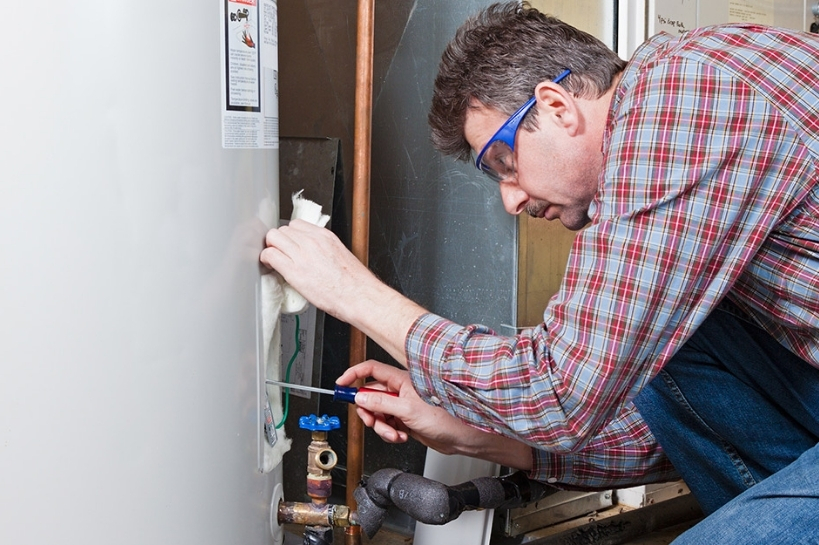
Nothing disrupts a day faster than stepping into the shower expecting warmth and being hit with cold water instead. A water heater that does not heat properly is more than an inconvenience. It affects daily routines, comfort, and sometimes even safety. Homeowners often ignore early signs until the issue becomes unavoidable. At Best Choice Plumber, we regularly see how small heating problems grow into costly repairs simply because they were overlooked.
This guide explains why your water heater may not be heating enough and what you can do about it. Everything is explained in clear and practical terms so you feel informed rather than overwhelmed
Common Reasons a Water Heater Fails to Heat Properly
Water heaters work quietly in the background, but several components must function correctly for consistent hot water. When one part fails, heating performance drops.
Heating element issues are common in electric water heaters. Over time, elements wear out or burn due to mineral buildup. Gas water heaters may face burner or pilot light problems that limit heat output.
Thermostat failure is another frequent cause. If the thermostat is inaccurate or damaged, the water may never reach the desired temperature.
Sediment buildup inside the tank also reduces heating efficiency. Minerals settle at the bottom of the tank and create a barrier between the heating source and the water.
Signs Your Water Heater Is Underperforming
Water heaters rarely fail without warning. Paying attention to early signs can prevent sudden breakdowns.
Water running cold faster than usual is a strong indicator. If hot water lasts only a few minutes, heating efficiency has dropped.
Fluctuating water temperature is another sign. Sudden shifts from hot to lukewarm often point to thermostat or heating element problems.
Noisy operation suggests sediment buildup. Popping or rumbling sounds mean minerals are interfering with heat transfer.
Below is a simple performance comparison chart.
Performance Indicator Chart
Symptom | Likely Cause |
Low hot water supply | Heating element issue |
Temperature fluctuation | Thermostat problem |
Strange noises | Sediment buildup |
Slow heating | Efficiency loss |
Safety Precautions Before Inspecting Your Water Heater
Safety should always come first. Water heaters involve electricity, gas, and high temperature water.
For electric water heaters, turn off power at the circuit breaker before inspection. Never rely on the thermostat switch alone.
For gas water heaters, ensure the gas supply is turned off before checking internal components. Allow the unit to cool before touching any parts.
Water pressure inside the tank can be dangerous. Avoid opening valves unless you understand their function. When unsure, it is safer to stop and contact Best Choice Plumber for professional help.
Troubleshooting and Fixing Common Water Heater Issues
Many heating problems can be identified with basic inspection. Simple maintenance often restores proper function.
Water heater troubleshooting starts with observing performance changes. Reduced heat output, longer heating times, and unusual sounds point to specific causes.
Routine maintenance improves heating consistency and extends the lifespan of the unit.
Checking and Replacing the Heating Element
Electric water heaters rely on heating elements to warm water. When an element fails, heating capacity drops immediately.
Signs of a faulty heating element include lukewarm water and extended heating times. Testing elements with a multimeter confirms failure.
Replacing a heating element involves draining part of the tank and installing a compatible replacement. This task requires care and proper tools. Incorrect installation can damage the unit or cause leaks.
If you are unsure, Best Choice Plumber recommends professional replacement to avoid further damage.
Inspecting the Thermostat Settings
Thermostats control water temperature. Incorrect settings or faulty thermostats prevent proper heating.
Check that the thermostat is set between 120 and 130 degrees Fahrenheit. Settings below this range often cause insufficient hot water.
If adjusting the thermostat does not improve performance, replacement may be necessary. Thermostats wear out over time and lose accuracy.
A properly working thermostat maintains stable temperature and improves energy efficiency.
Flushing Sediment Buildup from the Tank
Sediment buildup is one of the most overlooked causes of poor heating. Minerals settle at the bottom of the tank and trap heat.
Flushing the tank removes these deposits and restores efficiency. This process involves draining water through the tank valve until it runs clear.
Regular flushing improves heating speed and reduces noise. It also protects the heating element from premature failure.
Below is a sediment impact overview.
Sediment Impact Overview
Sediment Level | Heating Efficiency |
Low | High |
Medium | Reduced |
High | Poor |
When to Call a Professional Plumber
Some water heater issues require professional expertise. If problems persist after basic troubleshooting, it is time to call a licensed plumber.
Gas water heater issues should always be handled by professionals due to safety risks. Electrical failures beyond thermostat adjustment also require expert attention.
Leaks around the tank signal serious internal damage. Emergency water heater repair may be necessary to prevent property damage.
Best Choice Plumber provides reliable water heater repair services with trained technicians who diagnose problems accurately and safely.
Preventive Maintenance Tips for Your Water Heater
Preventive care keeps your water heater performing consistently year round.
Annual inspections help identify early wear. Flushing the tank once a year reduces sediment buildup and improves heating efficiency.
Checking the anode rod prevents corrosion inside the tank. Replacing it extends the lifespan of the unit.
Monitoring water temperature and listening for unusual sounds allows early intervention. Simple habits reduce repair costs and extend system life.
Final Thoughts
A water heater that is not heating enough affects comfort and daily routines. Understanding the causes helps you respond quickly and avoid larger problems. From heating elements to sediment buildup, most issues can be managed with timely care.
At Best Choice Plumber, we believe informed homeowners make better decisions. With the right maintenance and professional support when needed, your water heater can deliver reliable performance for years to come.
Frequently Asked Questions
Common causes include faulty heating elements, thermostat issues, or sediment buildup inside the tank.
Start by checking thermostat settings, inspecting heating elements, and flushing sediment. Persistent issues require professional service.
Turn off power or gas, allow the tank to cool, attach a hose to the drain valve, and flush until water runs clear.
Call a plumber for gas related problems, electrical failures, leaks, or when DIY fixes do not restore heating.
Annual maintenance is recommended to maintain efficiency and prevent breakdowns.
Yes, but replacement may be more cost effective depending on condition and repair cost.
The ideal setting is between 120 and 130 degrees Fahrenheit for comfort and safety.
Also Read: Cost to Install a Sump Pump