
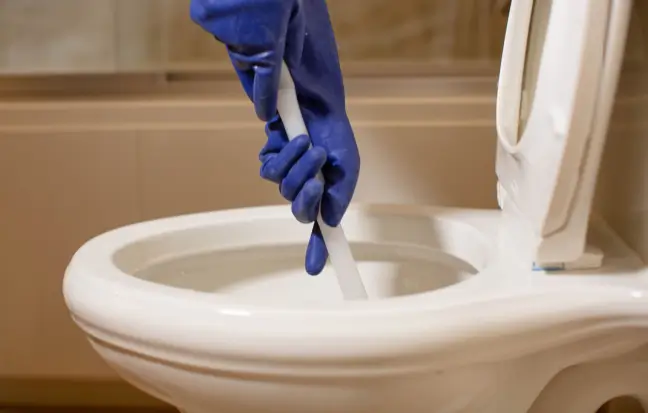
A clogged toilet is one of those situations nobody enjoys dealing with, yet almost everyone faces at some point. It’s inconvenient at home, disruptive in offices, and downright stressful in restaurants, hotels, and public spaces.
The good news is that unclogging a toilet doesn’t always require a plumber right away. With the right approach, you can often fix it yourself using simple methods and tools.
This guide will walk you through everything: why toilets clog, what tools and household items actually work, step-by-step processes with a plunger and without one, and professional solutions if the problem goes beyond DIY. Think of it as your go-to manual for keeping things flowing smoothly.
Why Toilets Get Clogged in the First Place
Before jumping to solutions, it helps to know why the clog happens. The common causes include:
Too Much Toilet Paper
Using excessive toilet paper at once can easily overwhelm the toilet’s trapway. Since it doesn’t break down quickly in water, it clumps together and forms a barrier that blocks the flow. Breaking down usage into smaller flushes often prevents this common issue.
Non-Flushable Items
Wipes, cotton pads, sanitary products, and other personal items may seem harmless, but they’re designed to stay intact in water. Once flushed, they expand, get stuck in the trapway, or cling to pipe walls, creating stubborn blockages that plungers alone may not fix.
Weak Flush Systems
Older toilets or those with low water pressure sometimes fail to generate enough force to push waste fully through the drain. Over time, incomplete flushes can leave behind residue that builds into a clog. In high-traffic settings, this problem occurs more frequently.
Pipe Buildup
Mineral deposits from hard water, grease, and other debris accumulate inside pipes over the years, narrowing the passageway. When the pipe diameter shrinks, even small amounts of toilet paper or waste can get stuck, causing repeated clogs.
Accidental Drops
It happens more often than people admit, kids’ toys, toothbrushes, or even small tools accidentally falling into the bowl. Unlike paper products, these items don’t break down and can lodge themselves firmly in the trapway, usually requiring an auger or professional help to remove.
Understanding the cause helps decide if it’s a quick DIY fix or a situation needing professional plumbing support from a trusted service name in the industry like the Best Choice Plumbers.
Steps To Take For Fixing The Clog
Stop the water from overflowing
If the bowl is filling up, remove the tank lid and push down the flapper valve (the rubber piece at the bottom of the tank). This stops more water from entering the bowl.
Turn off the water supply
Use the shutoff valve near the toilet base. Turning it clockwise stops the flow entirely.
Check the water level
Give it a few minutes to settle before deciding your next move.
This simple first step prevents a small problem from turning into a bathroom flood.
Use a Plunger
A plunger is the most common and effective tool for unclogging toilets, but it only works well when used properly.
Choosing the Right Plunger
Not all plungers are the same. The best type for toilets is the flange plunger, which has an extra rubber lip at the bottom. This design creates a tight seal in the toilet bowl’s drain opening. Cup-shaped sink plungers won’t work effectively.
How to Use a Toilet Plunger
- Warm up the rubber by running it under hot water for a few seconds – this makes it more flexible and helps create a stronger seal.
- Place the plunger over the drain hole, making sure the flange is fully inside the opening.
- Start with gentle pushes to remove air, then move to strong pushes and pulls without lifting the seal.
- Repeat for about 15–20 seconds. If water starts draining, you’re on the right track.
- Flush to test. If it’s still slow, repeat the process.
When the Plunger Doesn’t Work
Sometimes, even after several attempts, the toilet won’t unclog with a plunger. That’s when you move to alternative methods.
Unclogging Without a Plunger
Not everyone has a plunger handy, especially in offices or while traveling. Fortunately, household items can do the trick.
Hot Water Method
- Heat a bucket of water, but don’t let it reach the boiling point. Extremely hot water can crack porcelain.
- Pour it steadily into the toilet bowl from waist height. The force and temperature help break down soft blockages.
- Wait 5–10 minutes, then try flushing.
This works well for clogs caused by too much paper or organic waste.
Baking Soda and Vinegar
This classic mix is safe, eco-friendly, and surprisingly effective.
- Pour one cup of baking soda into the bowl.
- Add two cups of vinegar slowly – it will fizz.
- Let the reaction sit for at least 30 minutes.
- Add hot water and wait another 10 minutes.
- Flush to check.
It may take two rounds for stubborn clogs.
Dish Soap Trick
A few squeezes of dish soap help lubricate the trapway, making it easier for stuck material to slide through. Combine with hot water for best results.
What to Do for a Badly Blocked Toilet
Some clogs are more than just paper buildup. If the toilet bowl remains full even after trying hot water or baking soda, and vinegar, it may need more forceful solutions.
Toilet Auger (Plumber’s Snake)
A toilet auger is a flexible tool designed to reach deep into the trapway and pipes.
- Insert the end into the toilet drain.
- Crank the handle to push and rotate the cable through the clog.
- Pull it back slowly to avoid scratching the bowl.
This tool is especially useful in commercial settings where blockages are frequent.
Wet/Dry Vacuum
If available, a wet/dry shop vacuum can suck out the clog. Never use a regular household vacuum. Make sure to clean and disinfect thoroughly after use.
Professional Help
If none of the above works, or if clogs keep happening repeatedly, it’s time to call a bathroom plumber. Persistent issues often signal problems like:
- Broken sewer lines
- Tree root intrusion
- Old pipes with buildup
- Faulty toilet design
That’s where Best Choice Plumber your trusted US-based plumbing team comes in. Our crew handles everything from stubborn blockages to full-system inspections, ensuring your toilets and drains are restored quickly and professionally.
Blocked Toilet Solutions for Businesses
Commercial and public restrooms experience significantly higher usage than household toilets, making a proactive approach essential for facility managers and business owners. From keeping plungers handy in staff areas to training maintenance teams, scheduling routine plumbing inspections, and installing high-capacity toilets, these small steps can prevent major disruptions.
A quick and professional response to clogs not only protects the space but also shows clients and guests that their comfort is a priority. For reliable support, businesses rely on Best Choice Plumber in the US for both emergency fixes and ongoing maintenance.
Final Thoughts
Unclogging a toilet may not be glamorous, but it’s a skill worth having. For homes, it saves money and stress. For businesses, it protects reputation and ensures smooth operations. By knowing what causes clogs, what tools work, and how to act step by step, you’re equipped to handle most situations without panic. And when things go beyond your reach, calling a trusted plumber is the smartest move.
Frequently Asked Questions
Try the hot water and dish soap method first, then move to plunging. These two usually solve most household clogs. For tougher blockages, Best Choice Plumber in the US can step in with professional tools.
It’s not recommended. Many chemicals damage the porcelain, weaken seals, and harm pipes. Stick to safe methods like baking soda, vinegar, or professional tools.
It could be an older low-flow model, issues with the main sewer line, or simply too much material being flushed. A plumber can diagnose repeated problems.
Despite the label, most wipes don’t break down quickly and are one of the top causes of plumbing blockages. Dispose of them in a trash bin instead.
Hot water, dish soap, and even a wire hanger (carefully bent) can be makeshift solutions until you get proper tools.