
A clogged main sewer line is one of those problems that can bring your entire household to a sudden halt. Imagine going about your day and suddenly every drain in the home is backing up, the toilets are gurgling, and water simply refuses to flow away. It is inconvenient, stressful, and if not fixed quickly, can lead to damage inside and outside your home. The good news is that you do not always have to wait for an emergency plumber to step in. With the right understanding and a few practical steps, you can take control of the situation and unclog the main sewer line yourself.
In this guide, we will explore what causes main sewer line clogs, how to spot the early signs before they turn into bigger issues, and the most effective methods to clear a blocked sewer line. Best Choice Plumber will also look at when it is smarter to call in professional help and how you can prevent blockages in the future. To make things even simpler, you will see visual breakdowns such as charts that show the main causes of sewer line blockages and comparison bars that highlight different cleaning solutions.
What Exactly is the Main Sewer Line?
Before you attempt to clear a clog, it is important to know what you are dealing with. The main sewer line is the large drain pipe that runs from your home to the municipal sewer system or to a private septic tank. All sinks, toilets, showers, and floor drains eventually connect to this pipe. If it gets blocked, the entire plumbing system inside your house feels the impact. Unlike a kitchen sink clog or a slow shower drain, a sewer line blockage is more serious because it affects every fixture.
Signs of a Clogged Main Sewer Line
One of the best ways to handle sewer blockages is to recognize the problem early. If you wait until the water is overflowing, the job becomes more complicated and more expensive. Here are the most common warning signs:
- Multiple drains in the home are slow or backing up at the same time
- Gurgling sounds when flushing toilets or running sinks
- Sewage smell coming from drains
- Water backs up in tubs or showers when a toilet is flushed
- Outdoor sewer cleanout showing standing water or debris
The Major Causes of Sewer Line Blockages
Main sewer line clogs usually do not happen overnight. They build up over time due to several reasons. Let’s take a closer look.
1. Tree Root Invasion
Tree roots naturally seek out water sources and often grow into sewer pipes through small cracks. Once inside, they expand and block the line.
2. Grease and Fat Buildup
Pouring cooking grease, oils, or fat down the drain may seem harmless at first, but once cooled, they harden inside the pipes, creating a sticky trap for debris.
3. Foreign Objects
Items like wipes, paper towels, sanitary products, or toys flushed down toilets can cause sudden blockages.
4. Pipe Damage
Older homes may have clay or cast-iron pipes that crack or collapse, leading to frequent clogs.
How to Clear a Main Sewer Line Clog Yourself
Now that you understand the causes, let’s talk about solutions. Clearing a sewer blockage is not the same as pouring liquid cleaner down a sink. You need the right approach and tools.
Locate the Sewer Clean Out
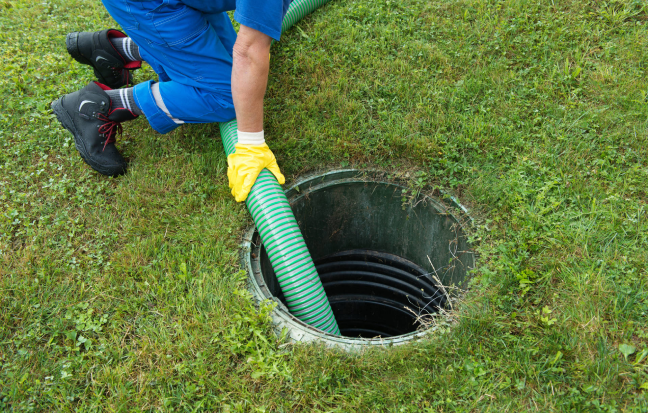
The sewer clean out is an access point to your main drain line. It is usually a capped pipe located outside near the foundation, in the basement, or in the yard. Removing the cap may release built-up water and pressure.
Use a Plumbing Snake or Auger
A motorized auger, also called a drain snake, can be fed into the clean out to break through the blockage. This is one of the most effective DIY methods.
Try a Drain Cleaner Designed for Main Lines
While chemical drain cleaners are not recommended for frequent use, enzymatic or foaming root killers can be helpful if tree roots are the issue.
Flush with a Hydro Jet (Professional Equipment)
Hydro jetting involves blasting high-pressure water into the line to clear grease, roots, and debris. This usually requires professional service, but it is highly effective.
When to Call for Emergency Drain Service
Sometimes, a main sewer line clog is too severe for DIY solutions. Call a professional plumber if:
- Sewage is backing up into multiple fixtures simultaneously
- You have tried basic methods and the line clogs again quickly
- There are strong sewage odors around your property
- The clean out shows water constantly sitting inside
If you live in Texas, Best Choice Plumber team provides quick emergency drain service with advance tools like hydro jetting and camera inspections. This avoids guesswork and ensures the problem is treated correctly.
How to Prevent Future Sewer Line Blockages
While no one can guarantee that clogs will never happen again, you can reduce the chances by taking a few preventive steps.
- Watch what goes down the drain
- Flush only toilet paper
- Maintain your sewer line regularly
- Trim trees near sewer lines
For homeowners in Texas, Best Choice Plumber also offer scheduled sewer line inspections to make sure your system stays in top condition year-round.
Choosing the Best Way to Unclog a Sewer Line
Every home is different, so the best method depends on the type of clog. For soft blockages caused by grease or buildup, an auger or enzymatic cleaner may work. For root invasion or collapsed pipes, professional hydro jetting or repair is necessary. A combination of prevention and timely intervention is often the smartest choice.
Final Thoughts
A clogged main sewer line can feel overwhelming, but with the right knowledge, it is manageable. The key is to act quickly, use the proper methods, and know when it is time to bring in professional help. By understanding the main causes, learning how to spot the signs early, and following the steps to clear and prevent blockages, you can save yourself time, stress, and costly damage to your home.
Your main sewer line is like the central highway of your home’s plumbing system. Keep it clean, keep it flowing, and your entire household runs smoothly.
Frequently Asked Questions
Locate the sewer line cleanout, open it, and use a plumbing snake to break the blockage. For lighter buildup, an enzymatic cleaner may help.
Avoid harsh chemicals. Instead, use enzyme-based drain cleaners or foaming root killers that safely target the clog without damaging pipes.
For grease or soft blockages, use an auger. For tree roots or severe sewer line blockages, hydro jetting or professional help works best.
Yes, if you access the plumbing clean out with a drain snake, you can clear clogs yourself. For tough blockages, call a professional.
Multiple drains backing up at once, gurgling toilets, and foul odors are the most common signs of a main sewer line clog.
On average, professional cleaning costs between $200 to $600, depending on severity and method used. Severe cases may cost more.
It is recommended to schedule a professional inspection every 1–2 years to catch issues before they cause major blockages.