
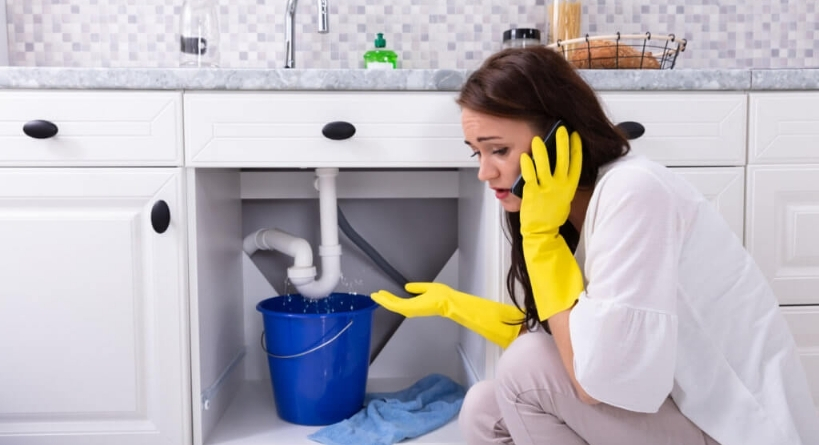
A leaking kitchen sink pipe is one of those household problems that can escalate quickly if not addressed promptly. A small drip might seem harmless at first, but over time, it can cause water damage, mold growth, and even structural issues under your cabinet. For homeowners, understanding how to identify, repair, and prevent leaks under the sink is essential. With the right approach and practical steps, you can stop leaks fast, protect your kitchen, and maintain a fully functional plumbing system.
Identifying the Source of the Leak
The first step in repairing a leaking kitchen sink pipe is identifying the exact source of the problem. Leaks often occur in the P-trap, pipe joints, or the connections leading from the sink drain to the plumbing system. Inspecting the area carefully can help pinpoint the issue.
Common signs include:
- Visible water droplets forming around pipe connections
- Water stains or dampness under the cabinet
- Unusual odors caused by standing water
- Corrosion or rust on metal pipes
Early detection allows for a quicker repair and prevents secondary issues such as wood damage or mold development.
Understanding Pipe Components
A standard kitchen sink drain assembly includes several key components. Knowing these parts makes repairs easier.
The P-Trap
The U-shaped pipe under the sink collects debris and prevents sewer gases from entering your home. It is a frequent location for leaks due to loosened joints or worn washers.
Pipe Connectors and Joints
These are the threaded connections linking various sections of the drain system. Over time, vibrations, temperature changes, and regular use can cause these joints to loosen, resulting in leaks.
Tailpiece
The vertical pipe extending directly from the sink drain into the P-trap is called the tailpiece. Cracks or poor sealing at the tailpiece connection can also cause water leaks.
Common Leak Locations in Kitchen Sink Plumbing
Component | Likelihood of Leak | Repair Complexity |
P-Trap | High | Medium |
Pipe joints | High | Low to Medium |
Tailpiece | Medium | Low |
Sink flange | Low | Medium |
This chart provides a visual overview of where leaks typically occur and the relative difficulty of repairing each location.
Tools and Materials Required
Before starting any repair, gathering the right tools ensures the process is efficient and safe. Common items include:
- Adjustable wrench or channel locks
- Bucket or bowl to catch water
- Replacement washers or gaskets
- Teflon tape for threaded connections
- Pipe replacement sections if the damage is severe
- Cleaning cloths to dry the area
Having all materials ready reduces the chance of interruptions and prevents accidental water spills during repair.
Step-by-Step Repair Process
1. Turn Off the Water Supply
Before handling pipes, always shut off the water supply to prevent flooding. Under most kitchen sinks, shutoff valves are located near the hot and cold water lines. Turn both valves clockwise until fully closed. Open the faucet to release remaining water in the pipes.
2. Prepare for Spillage
Place a bucket or bowl under the leak to catch residual water. Protect cabinet surfaces with towels or cloths to prevent water damage.
3. Inspect and Loosen the P-Trap
Using a wrench or by hand if possible, loosen the slip nuts connecting the P-trap to the tailpiece and drain pipe. Carefully remove the trap and examine it for cracks, corrosion, or debris buildup. Small blockages can contribute to leaks and should be cleaned thoroughly.
4. Replace Washers or Gaskets
Many leaks result from worn or missing washers. Remove old washers and replace them with new ones. Apply Teflon tape around threaded connections to improve the seal and prevent future leaks.
5. Reassemble and Tighten Connections
Reattach the P-trap and ensure all slip nuts are snug but not overly tightened, as excessive force can crack pipes. Check that the trap aligns correctly with the tailpiece and wall pipe.
6. Test the Repair
Slowly turn on the water supply and monitor the repaired area. Observe for any drips or moisture accumulation. Run water for several minutes and check all connections to confirm the leak is resolved.
When Replacement is Necessary
In some cases, repairs alone may not suffice. Pipes that are cracked, severely corroded, or permanently damaged require replacement. Replacing the affected section or the entire P-trap ensures long-term reliability and prevents recurring leaks. Modern PVC pipes are often easier to replace and maintain than older metal systems.
Repair vs Replacement
Factor | Repair | Replacement |
Cost | Low to Moderate | Moderate to High |
Time Required | 15 to 45 minutes | 30 to 90 minutes |
Skill Level | Basic DIY | Moderate DIY or Professional |
Longevity | Short to Medium | Long-term |
This comparison helps homeowners decide if a quick fix is sufficient or if a permanent solution is necessary.
Preventive Measures for Leak-Free Pipes
Maintaining your kitchen sink pipes reduces the risk of leaks and prolongs the life of plumbing components. Simple habits include:
- Avoid over-tightening pipe connections during maintenance
- Regularly inspect P-traps and joints for signs of wear or corrosion
- Clean the sink drain periodically to prevent debris buildup
- Use strainers to catch solid particles before they enter the pipes
Routine checks and timely maintenance are effective in preventing small issues from becoming costly problems.
Professional Help and Safety Considerations
While many leaks can be fixed with basic tools and DIY knowledge, some situations require professional assistance. Persistent leaks, difficult-to-access pipes, or extensive corrosion may need a licensed plumber to ensure safe and lasting repairs. Always prioritize safety by wearing gloves, handling tools carefully, and avoiding harsh chemicals that may damage pipes or surfaces.
Conclusion
Repairing a leaking kitchen sink pipe under the cabinet is a manageable task with the right approach. By identifying the source, preparing proper tools, and following step-by-step procedures, homeowners can stop leaks efficiently and prevent water damage. Regular maintenance and inspection further protect plumbing systems, reduce the risk of recurring leaks, and ensure a fully functional kitchen. Combining practical knowledge with timely action allows you to maintain a leak-free sink and a safe, hygienic kitchen environment.
Also Read: Cost to Install a Sump Pump