
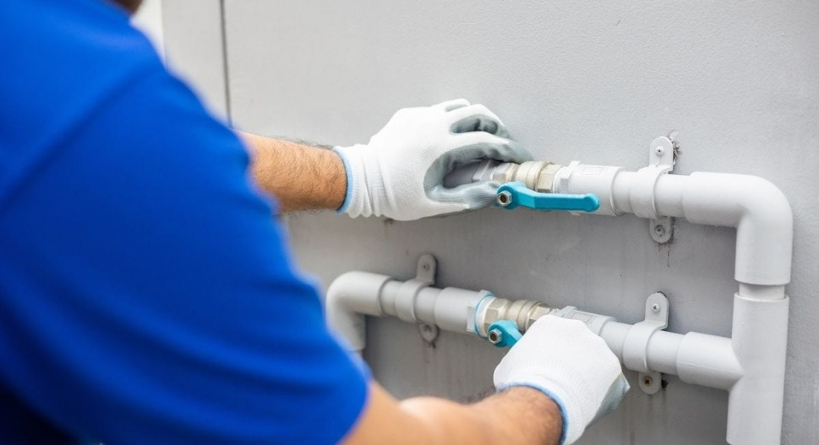
A plumbing system can stay quiet for years and then suddenly start sending signals that something is wrong. A house can look perfectly fine on the outside while the pipes inside tell a very different story. Many homeowners only notice the problem when leaks become frequent or the water starts looking strange. Repiping sounds like a big project but understanding the early signs can save you from unexpected repairs and major water damage. Once you know what to look for the entire idea becomes easier to understand and far less intimidating. Your home is always communicating through small hints and this is the moment to pay attention to them.
Understanding What Repiping Means
Repiping means replacing the current plumbing lines with new and stronger ones. This becomes necessary when pipes have reached an age where repairs no longer last. In many older homes the original plumbing is still in place which creates long term problems that only grow with time.
A simple way to understand it is to imagine the plumbing system as the veins of the home. Water travels through these lines every day. As the material ages it begins to react with minerals and pressure which slowly weakens it. Residential repiping removes the entire problem instead of patching it again and again.
Most houses with old pipes have a mixture of materials. Some parts carry strong flow while others struggle. Repiping creates one consistent system that moves water smoothly from one area to another. A conceptual chart that compares old lines with new ones often shows a clear difference. Old lines tend to show a drop in water performance and an increase in leaks. New lines show a stable flow and fewer long term costs.
Common Signs Your Plumbing Is Aging
Pipes speak through small but noticeable signs. Many homeowners do not recognize these signs at first because the plumbing sits behind walls and under floors. Aging plumbing systems begin to show changes in performance as the material wears out.
The earliest clues include small leaks around joints lower flow during showers and unusual sounds in the walls. These are quiet hints that your system is under stress. Another sign appears when your water heater needs attention more often than normal. Old pipes collect buildup that affects appliances connected to them.
Pipe wear shows up in many different ways. Some homes experience slow drainage. Others see unusual staining around fixtures. When several of these signs appear at the same time it becomes clear that the plumbing system is reaching an age where repiping starts becoming the smarter option.
Water Quality Issues That Indicate Pipe Problems
The quality of your water is often one of the strongest indicators of pipe damage. If your water begins to look brown cloudy or rusty the inside of your pipes may be breaking down. Older metal lines release sediment into the water once they begin to corrode. This creates discoloration that becomes more obvious over time.
Sediment can also settle at the bottom of sinks and tubs. This tiny grit looks harmless but reveals a much larger issue inside the plumbing. A simple conceptual pie graph often shows that homes with aging pipes report the highest levels of sediment compared to homes with newer plumbing systems.
Water odor is another clear sign. Pipes that have internal corrosion sometimes produce a metallic scent. Once these signs appear consistently it becomes important to consider a full inspection because water quality reflects the true condition of your plumbing system more accurately than almost anything else.
Frequent Leaks and Pipe Damage
A home that experiences leaks regularly is often signaling that the plumbing system has reached its limit. Small repairs may help for a short time but the real problem keeps growing. Pipes that leak often usually have internal thinning from age or corrosion. Once this starts you will continue to see issues appear in new places.
Many older homes experience leaks during seasonal temperature changes. This happens because aging material expands and contracts unevenly. Pipes with strong structure do not react this dramatically. Frequent leaks increase the risk of mold growth water stains and flooring damage which becomes more expensive over time.
A simple concept chart can show this difference. Homes with older pipes show leaks increasing year after year. Homes that undergo repiping show a sharp drop in leaks and repair costs.
Visible Corrosion and Rust
Corroded pipes are easy to spot once you know where to look. Check around exposed areas such as basements and utility rooms. Rust appears as a reddish or brown tint around joints and pipe surfaces. This means the metal is wearing out from the inside. Once corrosion begins it does not reverse.
Even tiny rust spots show that the pipe is weakening. This warning should not be ignored because corrosion is one of the strongest signs that a home is reaching the stage where repiping becomes necessary.
Low Water Pressure or Discolored Water
Low water pressure is one of the most common signs that your plumbing is struggling. Build up inside the pipes restricts the flow and creates an uneven water stream. You may notice slow pressure in showers faucets and outdoor lines.
Discolored water that looks yellow or brown shows that the inside of the pipes is no longer clean. These color changes come from rust and internal decay. Once the water changes color it confirms that your pipes are at the end of their lifespan.
Benefits of Timely Repiping
Repiping provides several long term benefits that go far beyond stronger water flow. New pipes improve water quality by eliminating rust and buildup. They also reduce the risk of future leaks and major plumbing failures.
A consistent plumbing system creates a smooth water flow across the entire home. Showers run better. Appliances last longer. Water heaters perform more efficiently. These improvements lower repair costs and give the home a cleaner water supply.
Many homeowners notice that their monthly frustrations disappear once new pipes are installed. Repiping protects the structure of your home by preventing hidden leaks that cause quiet damage behind the walls.
Choosing the Right Plumbing Professional for Repiping
The right plumber makes the entire process easier and more reliable. A licensed plumbing contractor has the training and experience to manage complex residential repiping projects. Always look for professionals who specialize in repiping because they understand the structure of older plumbing systems.
Ask for clear explanations of the process. A good repiping plumber will guide you through timelines materials and expectations so you feel confident from start to finish. Choosing an experienced contractor ensures that the repiping is done efficiently with minimal disruption to your home.
Frequently Asked Questions
Your home usually shows several signs at once such as low pressure discoloration frequent leaks or aging materials.
Most residential repiping projects take a few days depending on the size of the home and the complexity of the layout.
Yes but most experts recommend a full replacement if multiple areas show signs of age to avoid future problems.
Yes new pipes remove sediment rust and buildup which creates cleaner and safer water for daily use.
Repiping prevents major leaks reduces repairs and improves long term home value which makes it a smart investment for aging homes.
Also Read: Cost to Install a Sump Pump