
Standing water in a sink or tub feels like a quiet emergency. You watch the water rise inch by inch and wonder if it will spill over or slowly disappear on its own. The truth is that a blocked drain never fixes itself. The longer it sits, the more stubborn the clog becomes and the higher the risk of damage. Homes need quick and safe solutions, and that is exactly what this guide is about. The steps below break everything down in a calm, clear, and practical way so you know exactly how to deal with the problem without stressing or rushing. With advice shaped by the experience of best choice plumber, this guide gives you both confidence and clarity.
Understanding Why Drains Block And Water Starts Backing Up
Clogs form slowly. Small pieces of debris gather over time until the pipe reaches its limit. Hair, soap film, oils, dirt, minerals, food particles, or toiletry products all contribute. Homes with older piping experience this more often because the inside of the pipe may already have buildup. Standing water is simply the end result of a slow and hidden process.
Check The Situation Before Taking Action
Some homeowners panic and start pouring random liquids into the drain. That usually makes the blockage worse. A quick check helps you choose the safest and most effective method.
What To Look For
- Turbulence inside the water
- Bubbling that continues after the tap turns off
- A foul smell
- A slow whirlpool that never clears
These signs tell you the clog is not just minor surface debris but deeper inside the pipe.
Start With Manual Removal When Possible
A drain clogged by visible hair or floating debris can sometimes be cleared with simple tools.
Step One Lift Out What You Can Reach
Use a gloved hand or a drain hook. Many people skip this part but it removes the top layer of the clog and opens space for water movement. If water is too high, scoop a bit out into a bucket so you can access the drain comfortably.
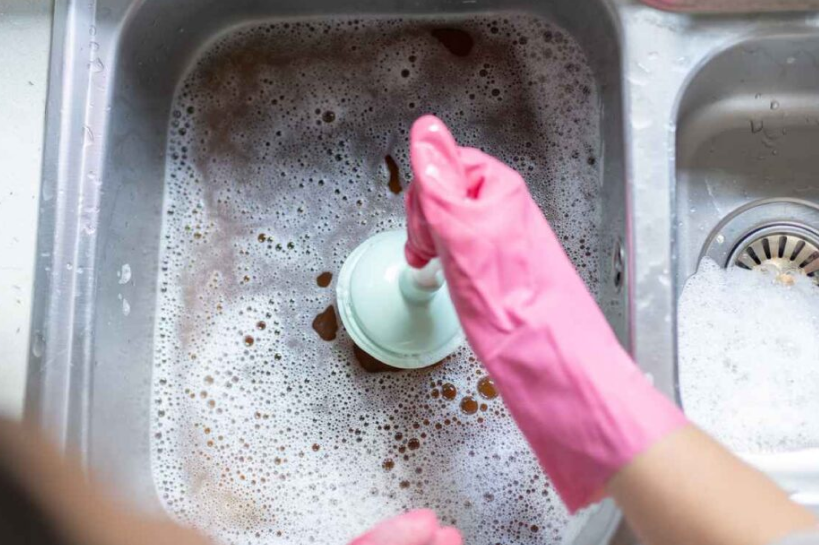
Step Two Try A Plunger The Right Way
Plunging can work very well when standing water is present because the water creates effective pressure.
- Cover the drain fully with the plunger cup.
Push down gently at first then increase intensity. - Keep a steady rhythm to create upward and downward pressure.
If the water begins to move or swirl more freely, the clog is loosening.
Use Natural Cleaning Methods Before Anything Harsh
Harsh chemical cleaners can damage older pipes and create harmful fumes. The gentler method is safer for homes and still strong enough to shift most minor clogs.
Baking Soda And Hot Water Routine
- Pour baking soda into the drain
- Follow with hot water
- Repeat twice for best effect
This combination helps break down soap film and oils. It will not solve every blockage but it often reduces the mass of the clog enough to improve drainage.
Try A Drain Snake For Deeper Blockages
A drain snake reaches further into the pipe and can pull out hidden clumps of debris.
- Insert slowly
- Turn the handle steadily
- Pull the snake back gently to avoid splashing
Snaking works well for hair based blockages and buildup that sits deeper inside the pipe.
Simple Differentiation Bar For Homeowners To Understand When To Use Which Method
Method Effectiveness Bar Description For Embedding
Plunger
██████████ strong for surface and midrange clogs
Natural cleaners
██████ moderate for mild buildup
Drain snake
████████████ strongest for deep clogs
Chemical products
█████ risky and should be final option only
Cleaning Standing Water Safely When Chemical Products Are Required
Sometimes natural methods fail and the clog refuses to move. This is where people reach for chemical drain cleaners. Use them only when other methods cannot help. If your home has older metal pipes or if the standing water is completely still with no movement, chemical products can weaken pipe walls. Take great care.
Safety Guidance
- Wear gloves
- Keep the room ventilated
- Never mix two cleaning products
- Pour slowly to avoid splashing
If the product does not clear the drain after the recommended time, avoid pouring another brand on top. At that point professional support is safer and usually more cost effective.
How To Prevent Future Standing Water Problems
Once the clog clears, the priority becomes reducing the chances of facing the same issue again. Daily habits make the biggest difference.
Rinse Drains With Hot Water Weekly
Hot water helps dissolve product buildup and moves light debris before it settles.
Use Drain Strainers
These small covers catch hair, food particles, and solid waste before it enters the pipe.
Avoid Pouring Oils In Sinks
Cooking oil cools inside pipes and forms a thick layer that attracts debris. The combination leads to frequent blockages.
When To Call A Professional Instead Of Fixing It Yourself
Deep blockages, recurring slow drains, foul smells that return after cleaning, or standing water that refuses to move even after safe home methods all signal a deeper issue. Homes with older plumbing systems often face pipe scale, root intrusion, or structural pipe problems that require skilled tools and evaluation.
Best choice plumber recommends seeking support when the blockage becomes a repeating pattern or when water backs up in more than one fixture at the same time. These signs point to a main line issue rather than a simple local clog.
Final Thoughts
Standing water is frustrating, but the solution becomes much easier when tackled step by step. Safe methods, gentle cleaning options, and the right tools all help clear the blockage without panic. You now have a clear view of what causes the problem, how to treat it, and how to stop it from returning. Homes feel more comfortable and predictable when drains run freely. For stubborn or recurring clogs, best choice plumber remains one of the most dependable options for professional help.
Also Read: Causes of Low Water Pressure