
A backed up drain feels like a small issue until it starts slowing down an entire workflow. One sink begins to bubble. Another sink starts draining slowly. Staff notice it during routine hand washing. Clients notice it during a visit. Operations become uncomfortable. What begins inside a single pipe soon becomes a building-wide inconvenience. This is why understanding the root of the problem matters for any workplace that relies on clean and functioning water systems. Facility teams, property managers and business owners all benefit from knowing the early signs so the issue can be controlled before it grows into a full shutdown.
The goal is not to turn you into a plumber. The goal is to give you a clear view of what is happening inside the line so you can act smarter and faster. A backed up drain does not appear from nowhere. It leaves clues. Once you understand them, you prevent repeat issues and reduce maintenance costs across the entire facility.
Understand The Core Reasons Behind Frequent Backups
Every clog has a starting point. Some begin with debris that slowly gathers over time. Others form due to internal pipe design or building activity levels. Homes usually face hair and soap buildup. Workplaces experience a combination of grease, cleaning chemicals and sediment from continuous use. The more people using the same line, the faster that buildup forms.
Differentiation bar for quick clarity
Organic debris
- Soft material buildup from food and soap
- Common in kitchen and washroom sinks
Hair clusters
- Flexible but dense
- Common in bathroom sinks and showers used by multiple staff
Grease and residue
- Sticky material that coats pipes
- Common in break rooms and staff kitchen areas
This simple breakdown helps facility teams recognize the pattern quickly.
Why Slow Draining Is Your First Warning Sign?
Most people wait until the drain stops completely. The smarter approach is to respond when water begins draining slower than usual. Slow drainage shows that the pipe is already narrowing from inside. This small delay gives you the perfect chance to act before pressure builds and forces the clog upward.
In a commercial environment, responding early prevents downtime. Staff continue their tasks without disruption. Clients avoid unpleasant washroom or kitchen delays. Maintaining steady flow keeps the facility productive, which is why early intervention is strongly emphasized by experts at Best Choice Plumber.
Grease And Soap Buildup Create Hidden Blockages
Grease does not stay in liquid form once it reaches the drain. It cools, thickens and settles. Soap behaves the same way. Over time, the combination forms a sticky interior lining. Every new piece of debris attaches to the surface until a full blockage forms.
Offices with break rooms see this problem often. Cafes and small retail stores face it even more. A quick comparison chart helps illustrate the most common sources.
Showing the buildup origin
- Soap film
40 percent - Grease residue
35 percent - Sediment from cleaning products
25 percent
Understanding these sources allows teams to address the cause rather than repeatedly treating symptoms, a strategy often advised by Best Choice Plumber during maintenance planning.
Hidden Structural Issues Can Cause Repeat Backups
Sometimes the problem is not the debris. The issue may come from pipe structure. Older buildings may have worn interiors that catch material easily. Slight pipe shifts from renovations can cause dips inside the line. These dips hold water. When water holds, material collects. Even new buildings can face structural misalignment from poor installation.
This explains why the same sink can back up repeatedly even after cleaning. In such cases, professional assessment from experienced providers like Best Choice Plumber helps identify and correct the underlying issue.
How To Stop The Backups Before They Spread
Stopping backups requires a mix of simple routine habits and smart intervention. The goal is to reduce buildup inside the line while keeping daily operations smooth. Homes can use these steps easily but they deliver even stronger results in a workplace.
Use Boiling Water As A Weekly Reset
Boiling water softens grease and breaks up soap film. A weekly pour keeps lines clear enough to avoid sudden blockages.
Use Baking Soda And Vinegar For Early Stage Buildup
This natural reaction loosens residue before it grows into a full obstruction. It is safe for most commercial plumbing.
Reduce Food Disposal In Sinks
Even small crumbs can catch on sticky residue and grow into bigger issues.
Keep Hair Strainers On Bathroom Sinks
This simple addition lowers the amount of material entering the pipe.
These steps help you control the system before the system controls your operations.
When You Need Stronger Intervention?
Some backups cannot be resolved with surface level solutions. When water begins to bubble back into the sink or when multiple sinks slow down at the same time, the issue sits deep inside the line. This type of clog spreads pressure across the building and requires immediate action.
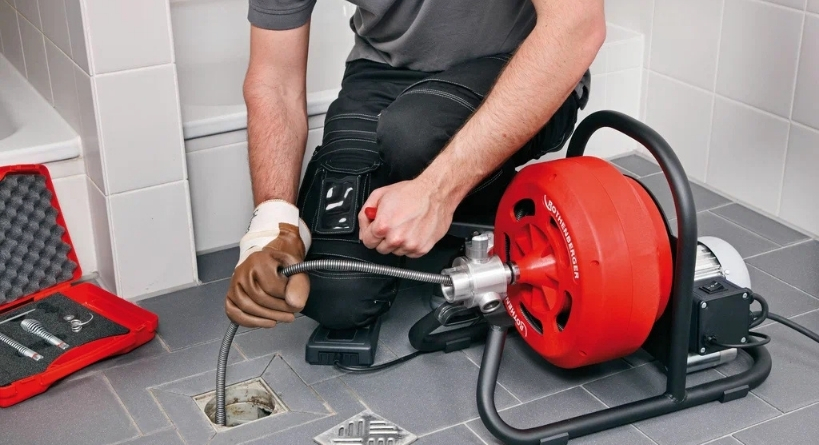
Early resistance may respond to plungers or manual tools. When it does not, professional drain cleaning becomes the safest option. Deep cleaning restores full function and prevents internal pipe damage, an approach commonly used by Best Choice Plumber in high-traffic facilities.
Preventing Repeat Backups In Busy Facilities
Consistent activity increases the chance of clogs. High foot traffic areas need proactive habits. Here is a simple comparison bar for easy understanding.
Low traffic area
- Minimal buildup
- Slow clog formation
Moderate traffic area
- Regular soap and residue buildup
- Medium clog formation
High traffic area
- Continuous material flow
- Fast clog formation
Once you know your building category, you can prevent backups with strategic cleaning cycles.
Final Thoughts
A backed up drain tells you that the system is working harder than it should. Homes face inconvenience. Businesses face delays, downtime and negative customer impressions. Understanding the cause gives you the advantage. Instead of reacting in panic, you respond with clarity. You protect the building, prevent repeat issues and maintain smooth movement across all sinks and washrooms.
Strong facility management always begins with early awareness. When the team recognizes the first sign, the entire workflow stays protected.
Also Read: Water Heater Repair vs. Replacement
Frequently Asked Questions
The clog may sit deeper inside the line or there may be a structural issue causing repeated buildup.
Grease related blockages create slow draining combined with a sticky smell. Break room sinks experience this most.
Weekly boiling water pours help slow the formation of residue inside the line.
This indicates a main line blockage that needs professional cleaning.
Routine hot water flushing, keeping strainers in place and limiting food disposal all reduce buildup.