
Strange how a slow draining sink can turn a normal day into instant frustration. Water building up around the drain looks unpleasant. Toothpaste circles refuse to wash away. The sink starts giving off that tired look no one wants in their home. The good news is that a slow drain is rarely a sign of serious trouble. Most of the time the fix sits right inside your reach and does not need a single chemical.
This guide walks you through the smartest and safest ways to solve the problem with clear steps, simple tools, and techniques that anyone can handle. You will understand why the sink slows down, how to clear it fast, and how to keep it smooth in the future.
Why Your Bathroom Sink Starts Draining Slow
A bathroom sink deals with more than people expect. Hair. Soap residue. Shaving cream. Makeup. Dead skin. Tiny product particles. Over time all of this forms a sticky buildup along the inner walls of the drain. The opening narrows. Water slows down. The sink starts to pool before draining.
Most people reach for chemicals but those do more harm than help. They corrode pipes, damage seals, and create fumes that stay in the bathroom. Mechanical cleaning and preventive steps solve the issue without weakening your plumbing.
First Step: Remove And Clean The Stopper
In most homes the stopper is the main trouble spot. It catches hair and holds onto thick residue. Removing it is usually simple and requires only your hands.
Pull the stopper upward. If it does not come out easily, twist gently. Once out clean every part of it. You will see hair wrapped around the base and sticky buildup on the sides. Wipe everything with paper towels. A toothbrush helps reach grooves.
Second Step: Use Boiling Water For A Natural Flush
Boiling water is one of the simplest and safest ways to break down buildup. It softens residue along the pipe walls and pushes it downward.
Boil a kettle of water and pour it slowly into the sink in three rounds. Each pour should have a short pause in between. This gives time for the heat to work on the clog.
This step alone solves the problem in many homes, especially when the blockage is made of soap and product residue.
Third Step: Try A Sink Plunger For Controlled Pressure
A sink plunger is smaller than a toilet plunger and creates a tighter seal around the drain. It helps loosen clogs stuck deeper in the pipe.
Place the plunger on the drain opening. Add a small amount of water to create suction. Push and pull with steady pressure. After a few seconds lift the plunger. You will hear a small rush of water if the clog loosens.
This method is safe for the pipes and gives you quick feedback on how serious the blockage is.
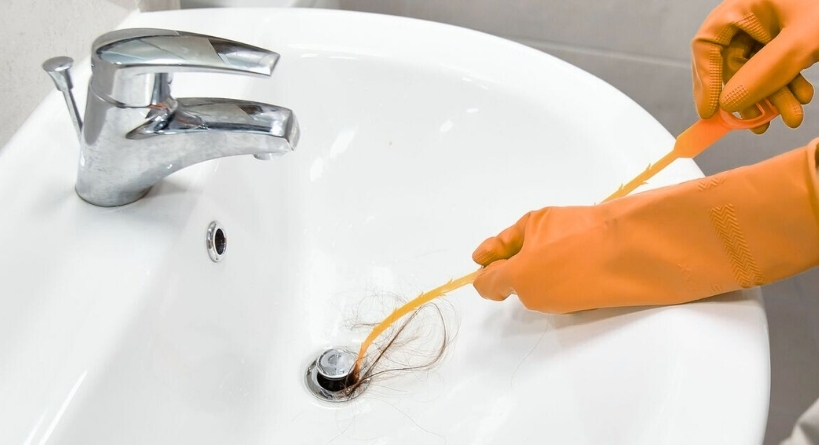
Fourth Step: Use A Plastic Drain Snake For Hair Removal
Hair often forms a thick knot below the stopper area. A plastic drain snake solves this with almost no effort.
Insert the snake into the drain and twist gently. Pull it upward. You will likely see hair wrapped around the spikes. Repeat this two or three times until nothing else comes out.
Fifth Step: Clean The P Trap If The Blockage Is Deeper
The P trap is the curved pipe under the sink. It collects debris and prevents sewer smells from entering the bathroom. If the slow drainage continues after stopper cleaning and snaking, this is your next step.
Place a small bucket under the trap to catch water. Unscrew the slip nuts by hand if possible. Remove the trap and turn it over. Rinse everything in a separate bucket or outdoors. You will often find thick residue or tiny objects stuck inside.
Once clean, reattach the trap and tighten the nuts. The improvement in drainage is usually immediate.
Prevent Slow Drains With Simple Daily Habits
Once the sink drains smoothly again, prevention becomes the real win. Small habits keep the pipes clean and allow water to run freely.
Rinse the sink with warm water after brushing. This stops toothpaste and soap from hardening. Avoid brushing or shaving directly above the open drain. Use a simple mesh cover to catch hair. Clean the stopper once a week for only ten seconds.
These tiny steps prevent buildup and save you from future frustration.
Natural Mixtures That Help Without Chemicals
Even though strong chemicals are not recommended, natural mixtures can support the cleaning process safely.
A mix of hot water and table salt softens residue. A mix of hot water and baking soda helps remove grime. These mixtures do not harm pipes or releases fumes.
Pour the mixture slowly into the drain during your weekly cleaning. This prevents buildup and keeps the drain walls smooth.
Real Signs Your Sink Needs Immediate Attention
Some signs tell you the clog is growing deeper.
- Water drains much slower each day
- A mild smell comes from the drain
- The stopper collects residue faster than usual
These signs mean the buildup has reached the deeper part of the pipe. Cleaning the trap or using a drain snake will fix the issue.
When To Call A Professional
Most slow drain problems are small and easy to fix at home. However, if you notice the issue returning quickly after every cleaning, this may mean the pipe has damage or buildup in the section you cannot reach.
A professional can inspect the system and remove the blockage safely. This ensures the problem does not return.
Final Thoughts On Keeping A Bathroom Sink Flowing Smoothly
A slow bathroom sink feels annoying in the moment but it is one of the easiest home maintenance issues to solve without chemicals. Cleaning the stopper. Using hot water. Applying gentle pressure with a plunger. Snaking the drain. Cleaning the P trap. These steps restore your sink to normal speed without harming your plumbing.
A few simple habits keep the drain clear in the long run. Warm water rinses. Weekly stopper cleaning. A mesh hair catcher. Natural mixtures. These actions protect your pipes and give you a clean and fresh bathroom experience every day.
With the right approach your sink stays smooth efficient and ready for daily use without chemicals or complicated tools.
Also Read: Cost to Install a Sump Pump